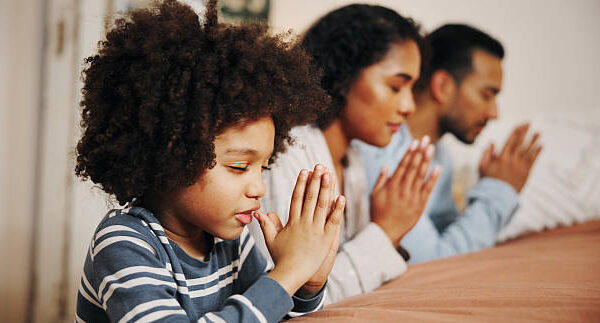
We celebrate the Fall Feasts because Jesus celebrated it. That’s really where it starts. If it mattered enough for Him to observe, it matters enough for us to understand.
Think about the traditions you already keep without questioning them — Thanksgiving dinner, a birthday ritual, the way your family does Easter Sunday. Those things shape you even when you don’t notice it happening. The feasts God gave Israel work the same way, except they were never just tradition. They were appointments. God literally penciled Himself into a calendar and said, “Meet Me here.”
Rosh Hashanah: The Head of the Year
Rosh Hashanah means “head of the year.” But before you picture confetti and a countdown, here’s the difference: the biblical new year isn’t about a resolution you’ll quit by February. It’s about correction — looking honestly at where you missed the mark this past year so you can actually walk into the new one different, not just older.
We all know what it feels like to want a fresh start but keep dragging the same baggage into it. This is God’s built-in reset button. Not “try harder,” but “come clean, then step forward.”
Why It Matters
Rewind about 3,000 years. Israel is fresh out of Egypt, wandering the wilderness with Moses. Life is uncertain — no home, no road map, just following God one day at a time. Sound familiar? Most of us know that feeling of being in-between: out of the old season, not yet in the new one, just trying to trust the process.
Right there, in that uncertainty, God does something remarkable. He hands Israel a calendar in Leviticus 23 — His appointed feasts, fixed points in time where He promises to show up.
“Say to the Israelites: ‘On the first day of the seventh month you are to have a day of sabbath rest, a sacred assembly commemorated with trumpet blasts. Do no regular work, but present a food offering to the LORD.'” — Leviticus 23:24-25 (NIV)
Picture your life right now — the meetings, the errands, the notifications. God says, “Stop. Rest. Bring Me something.” This is Yom Teruah, the Day of Trumpeting — a sound meant to interrupt the noise of ordinary life and get your attention pointed back to Him. It’s the alarm clock of the spiritual calendar.
These feasts weren’t random religious rituals. They were divine appointments, each one revealing a piece of God’s plan of salvation — like chapters in a story He was writing long before we ever showed up.
The Beginning of the High Holy Days
Rosh Hashanah kicks off what’s called the High Holy Days — a season of reflection and repentance that builds toward the Day of Atonement. In the past, that atonement required a blood sacrifice; an animal’s life given to cover the mistakes of the people.
But here’s the good news that changes everything: because of Jesus, we don’t carry that weight anymore. God didn’t ask us to bring the sacrifice this time — He offered His own Son. What used to take an altar and an animal now takes a surrendered heart. That’s not a small trade. That’s grace doing what our best effort never could.
The Feast of Tabernacles
The season closes with the Feast of Tabernacles — a celebration, but also a reminder.
“So beginning with the fifteenth day of the seventh month, after you have gathered the crops of the land, celebrate the festival to the LORD for seven days… Live in temporary shelters for seven days: All native-born Israelites are to live in such shelters so your descendants will know that I had the Israelites live in temporary shelters when I brought them out of Egypt. I am the LORD your God.” — Leviticus 23:39-40, 42-43 (NIV)
God tells His people to leave their homes and live in makeshift shelters for a week — on purpose, right after the harvest, right when they had the most reason to feel settled and secure. Why? So they’d remember that every roof over their heads, every “stable” thing in their life, is still a gift from Him — not something they built on their own.
That’s a message we need just as much today. Maybe your “shelter” isn’t a hut — it’s a paycheck, a title, a routine that makes you feel in control. This feast is God’s gentle interruption: Remember who actually provides. Remember what it felt like to depend on Me completely.
Bringing It Home
At its core, the Fall Feast isn’t an ancient reenactment — it’s an invitation still open today. A chance to pause the busyness, be honest about the past year, and remember that whatever stability we feel is His doing, not ours.
We celebrate at Windsor because Jesus did. And if He thought it was worth stopping for, so do we.